
Reply in minutes, not days. And follow up more than once.
An automatic first reply and a short follow-up sequence do both for you.
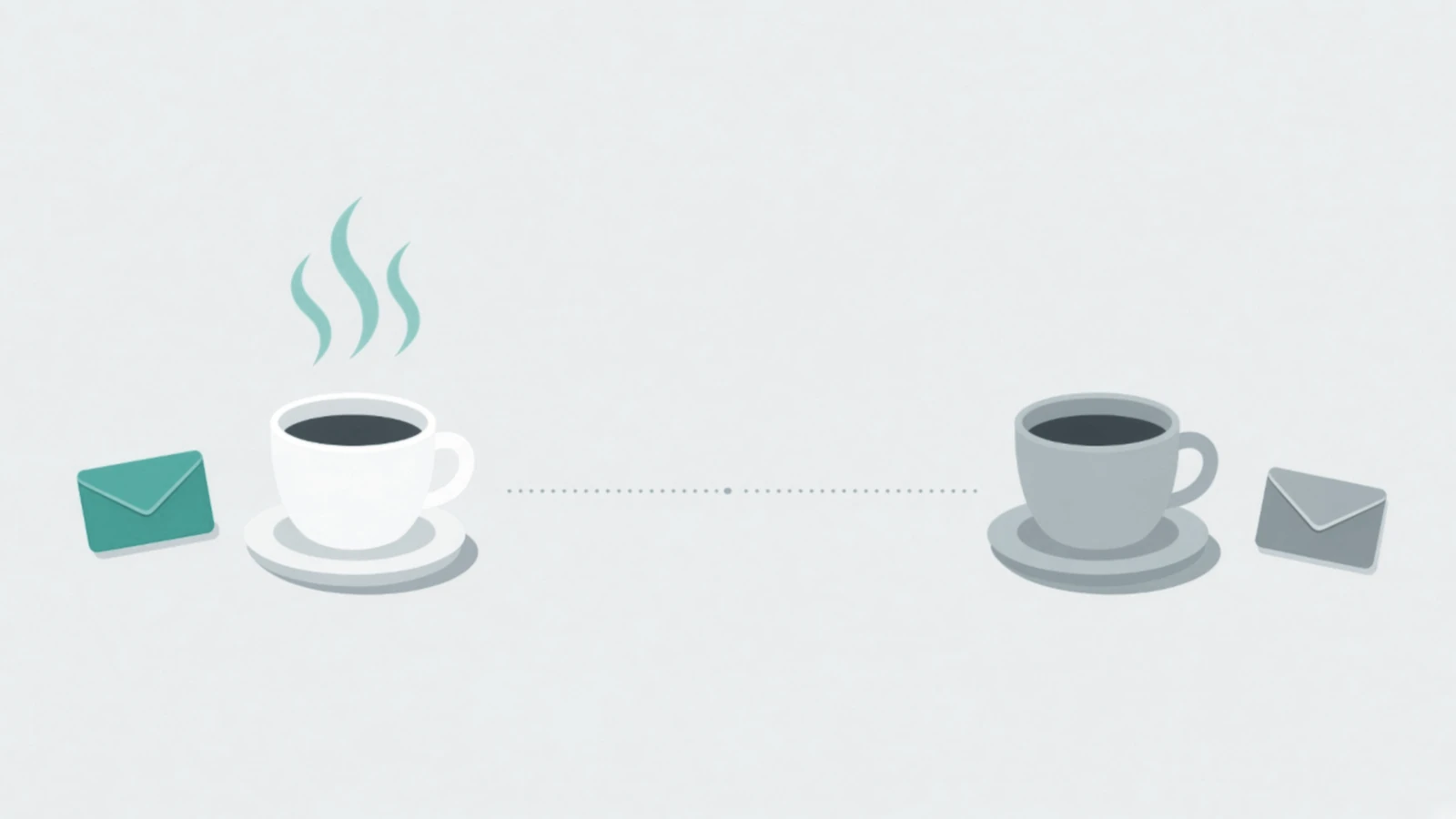
Most leads don't go cold because they lost interest. They go cold because nobody got back to them fast enough.
Key takeaways
- Speed wins. The first business to reply often gets the job.
- Most businesses reply far too slowly, or not at all.
- An instant first reply buys you time to call back properly.
- A few friendly follow-ups bring back leads who went quiet.
How fast do leads really go cold?
Faster than you'd think.
A Harvard Business Review study of 1.25 million sales leads found that businesses who tried to reach a lead within an hour were nearly 7 times as likely to have a real conversation as those who waited even an hour longer.
And more than 60 times as likely as those who waited a day or more.
The study is from 2011. People have only gotten less patient since.
How fast do most businesses reply?
Not fast.
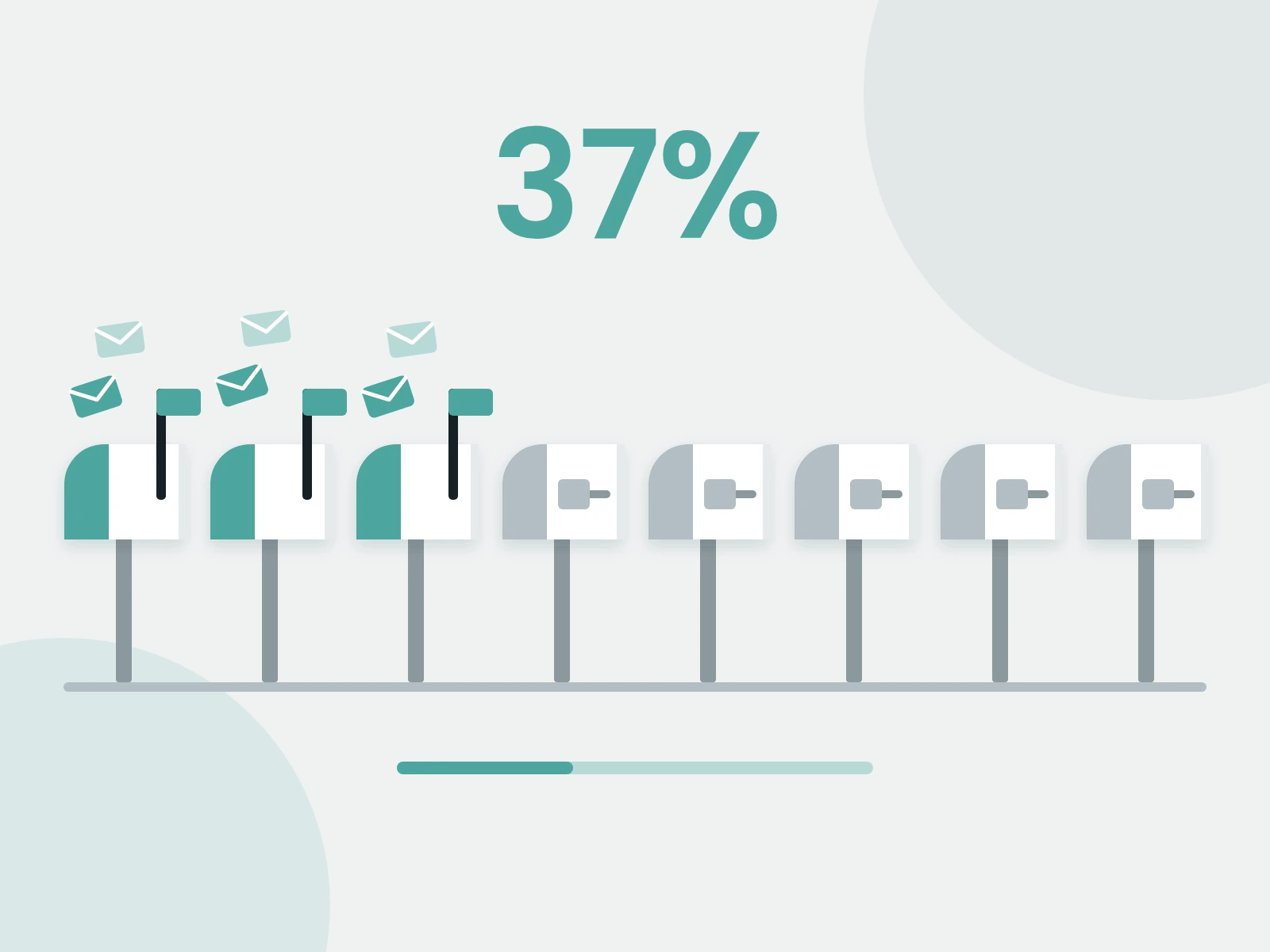
The same researchers tested 2,241 U.S. companies with a web enquiry.
Only 37% replied within an hour.
23% never replied at all.
That's good news for you. Replying fast is the easiest way to beat your competition.
Why do leads slip through the cracks?
Not because you don't care.
Because the lead comes in while you're on a job, with a customer, or asleep.
By the time you see it, they've already heard back from someone else.
And when you do reply and they don't answer, it feels pushy to try again. So you don't.
The fix: reply fast, follow up kindly
You need two things working for you.
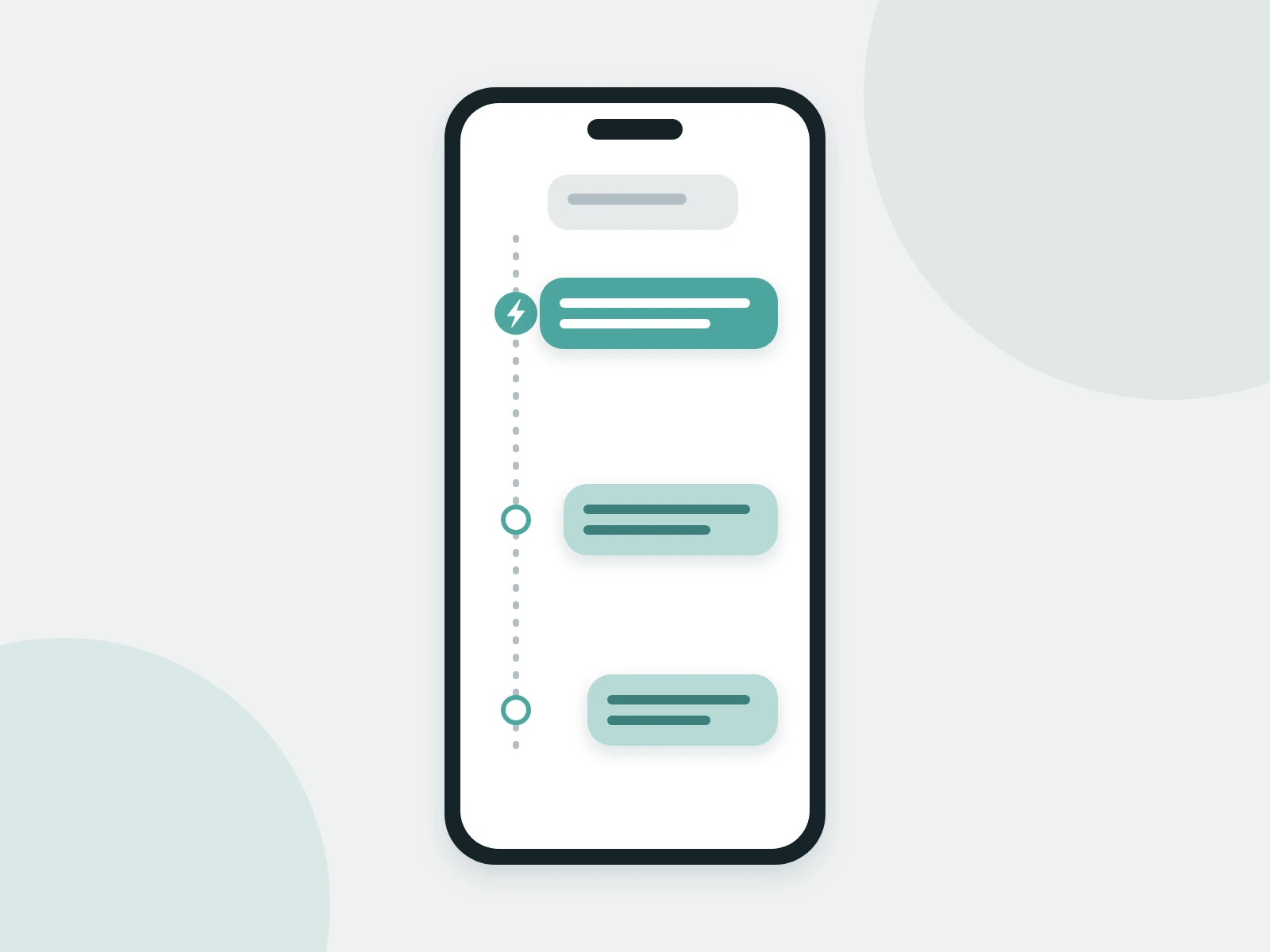
An instant first reply. Within a minute, the lead gets a message in your words: "Thanks, got your message. Here's what happens next." With a link to book a time.
A short follow-up sequence. If they don't book, two or three friendly check-ins over the next week or two. Then stop.
The first reply buys you time. The follow-ups catch the people who got busy.
I set these up for businesses, and it's one of the first fixes I look at.
Want to see how many of your leads are slipping away?
Book your free 15-minute AI assessment
Stop leads going cold: 6 steps
1. Check your reply time.
Look at your last 10 enquiries. How long did each wait for a reply?
2. Write your first reply.
Short, friendly, in your words. Say what happens next and give them a way to book.
3. Make it instant.
Set it to go out the moment a form, chat or missed call comes in.
4. Write two or three follow-ups.
Space them a few days apart. Each one short and helpful, never pushy.
5. Stop when they reply.
The moment a lead answers or books, the sequence stops and you take over.
6. Look at the numbers monthly.
How many replied? How many booked? Adjust the messages that don't work.
Frequently asked questions
How fast should I respond to a new lead?
As fast as you can. Within minutes is best.
An automatic first reply means every lead hears back right away, even when you're busy.
How many times should I follow up?
Two or three times over a week or two is a good start.
Keep each message short and useful. Then stop.
Won't automatic replies feel robotic?
Not if they're written in your words.
Keep them short, friendly and specific to what the person asked about.
Should I text or email leads?
Use the way they reached you.
Only text people who gave you their number and agreed to hear from you.
What if a lead says no?
Thank them and stop.
A polite "no problem" leaves the door open for later.
The fastest reply usually wins
You don't need more leads to grow.
You need to stop losing the ones you already have.
Reply fast. Follow up kindly. Let the system remember for you.
Let's find where your leads are slipping
On a free 15-minute call, I'll find the task costing you the most. Often, it's follow-up.
Then I'll come back on a second short call with one fix for it.
Both calls are free.
Book your free 15-minute AI assessment
Keep learning
- Can AI answer my phones?
- Can AI help me write quotes faster?
- How do I get more Google reviews without chasing customers?
- What we build: AI agents
About Jim Swan
Jim Swan has run Swan Media Solutions in the Okanagan since 2014.
He sets up lead follow-up and AI assistants for businesses, builds his own software, and runs his own businesses with a team of AI assistants.