
Websites show up in AI answers when their pages answer one question clearly, in the first lines.
They show their FAQs on the page. And they say plainly who they serve and where.
AI tools quote sentences. Give them good ones.
Key takeaways
- AI answers are built from clear sentences on real pages.
- One page, one question, answered at the top.
- FAQs belong on the page, not hidden in a drop-down.
- Say what you do, who for and where. Every page.
Where do AI answers come from?
From pages the AI can read and trust.
When Google shows an AI answer, it usually points to several sources.
Pew Research found 88% of Google's AI summaries cited three or more sources.
So the question isn't "Will AI use websites?" It's "Will it use yours?"
Why do most business websites get skipped?
Because they're hard to quote.
- The page opens with "Welcome to our website" instead of an answer.
- The services are vague: "solutions for all your needs."
- The town isn't mentioned anywhere.
- The FAQs are hidden, or missing.
A person can figure it out. An AI looking for a clear sentence moves on.
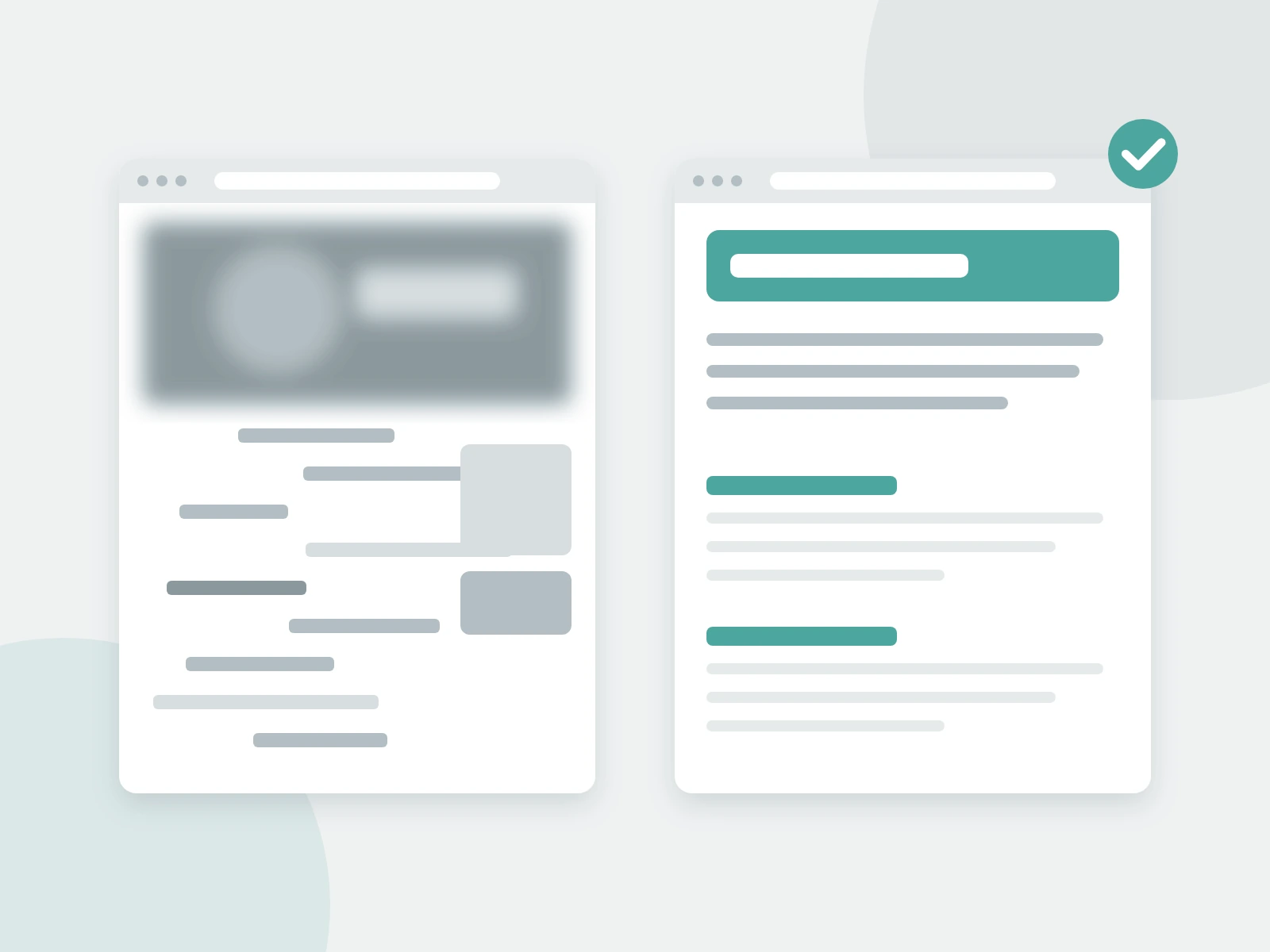
What does an AI-friendly page look like?
It answers first. Then it explains.
Before: "Welcome! We are passionate about delivering quality results for our valued customers."
After: "We install wood and vinyl fences for homes in Kelowna and West Kelowna. Most jobs take two to three days."
The second one can be quoted. The first one can't.
(That example is made up to show the idea.)
Write pages people and AI can both quote
Here's the good news.
What helps AI also helps your customers.
Clear pages answer their questions faster, so they call sooner.
You're not writing for a robot. You're writing for a busy person in a hurry. The AI just happens to be reading too.
Want to know how your site reads to AI today?
Book your free 15-minute AI assessment
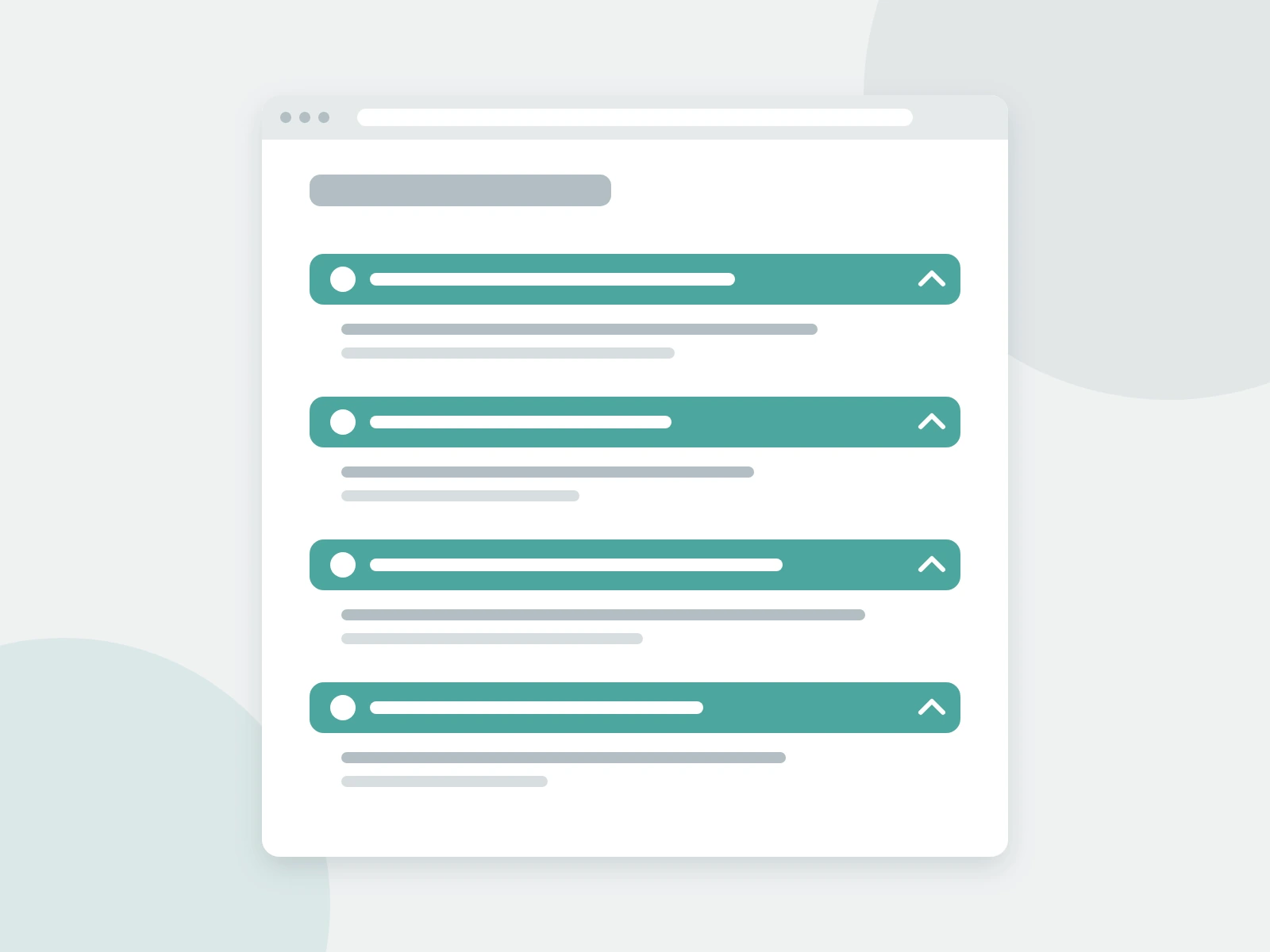
Make your site easy to quote: 7 steps
1. One page per service.
Don't cram everything onto one page. Each service gets its own.
2. Answer first.
The first two lines say what you do, who for and where.
3. Use questions as headings.
"How long does it take?" "What does it cost to start?" The way customers ask.
4. Put FAQs on the page.
Real questions, short answers, visible without clicking.
5. Name your towns.
The places you actually serve, in plain text.
6. Show proof.
Real photos of your work and real reviews.
7. Keep it current.
Update hours, services and prices when they change.
Frequently asked questions
What is AEO?
Answer Engine Optimization: making your pages easy for AI tools to understand and quote.
It builds on good SEO with clearer, answer-first writing.
Do I need special code for AI?
Clear writing matters most.
Basic structured data helps search engines read your page, but it won't fix vague copy.
Should I write blog posts for AI?
Only to answer real questions customers ask.
One clear answer beats ten vague posts.
How long should a page be?
Long enough to answer the question well. No longer.
Short paragraphs and clear headings help people and AI alike.
How do I know if AI is using my site?
Ask Google and ChatGPT your customers' questions and see who's quoted.
If you use Google Analytics, check for visits from AI tools.
Give AI something worth quoting
AI answers don't come from nowhere.
They come from pages that say things clearly.
Make your pages the clearest answer in town.
Let's find your one fix
On a free 15-minute call, I'll find the task costing you the most.
Then I'll come back on a second short call with one fix for it.
Both calls are free.
Book your free 15-minute AI assessment
Keep learning
- Does Google still matter now that people use AI?
- How do I show up when people ask ChatGPT who to call?
- How do I get more Google reviews without chasing customers?
- What we build: marketing
About Jim Swan
Jim Swan has run Swan Media Solutions in the Okanagan since 2014.
He helps business owners get found through search, ads and websites, and now in AI answers too. He builds his own software, including TreWise, SipLocal and TimeSpend.